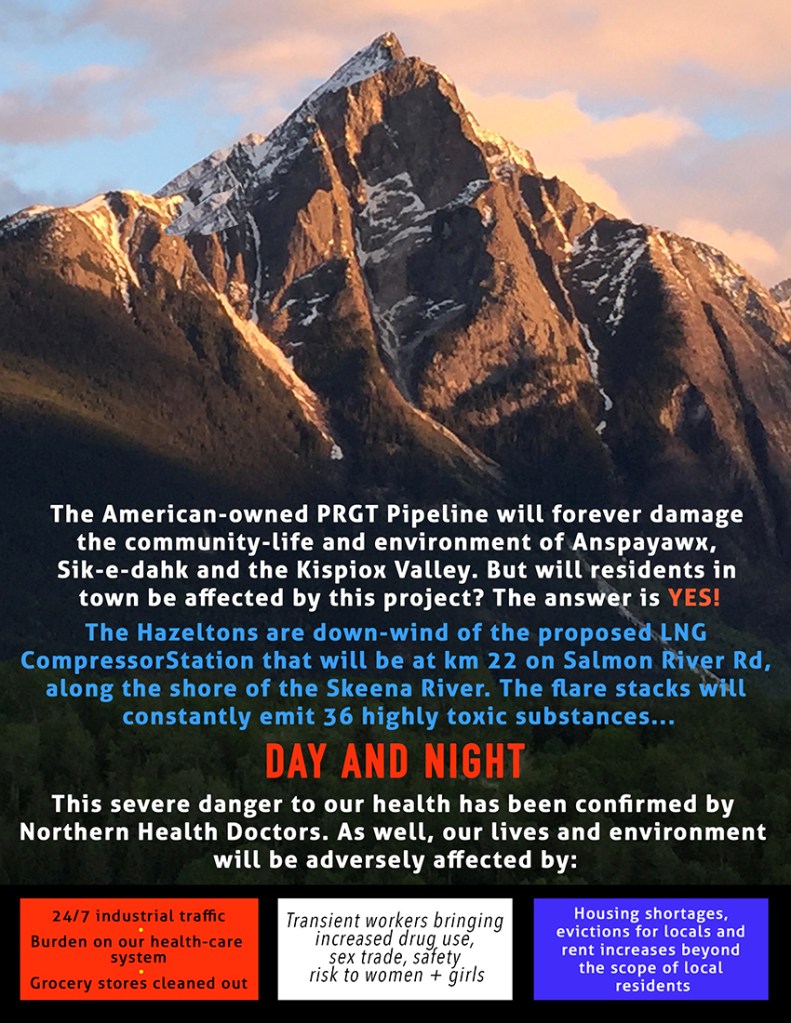
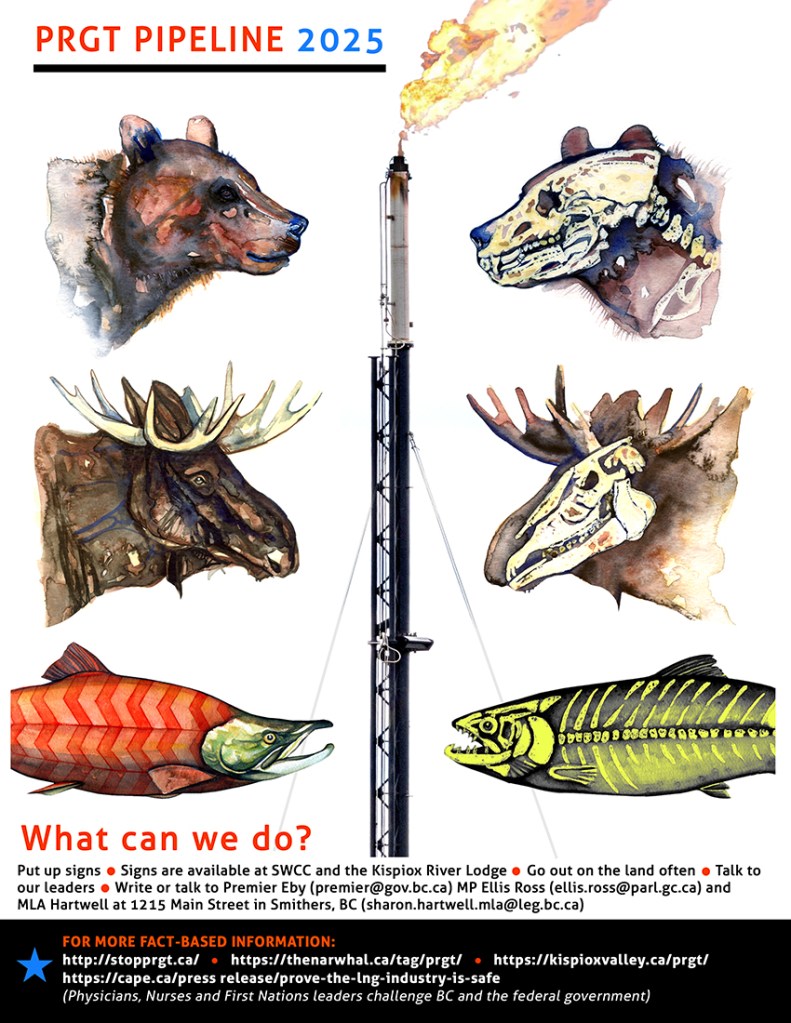
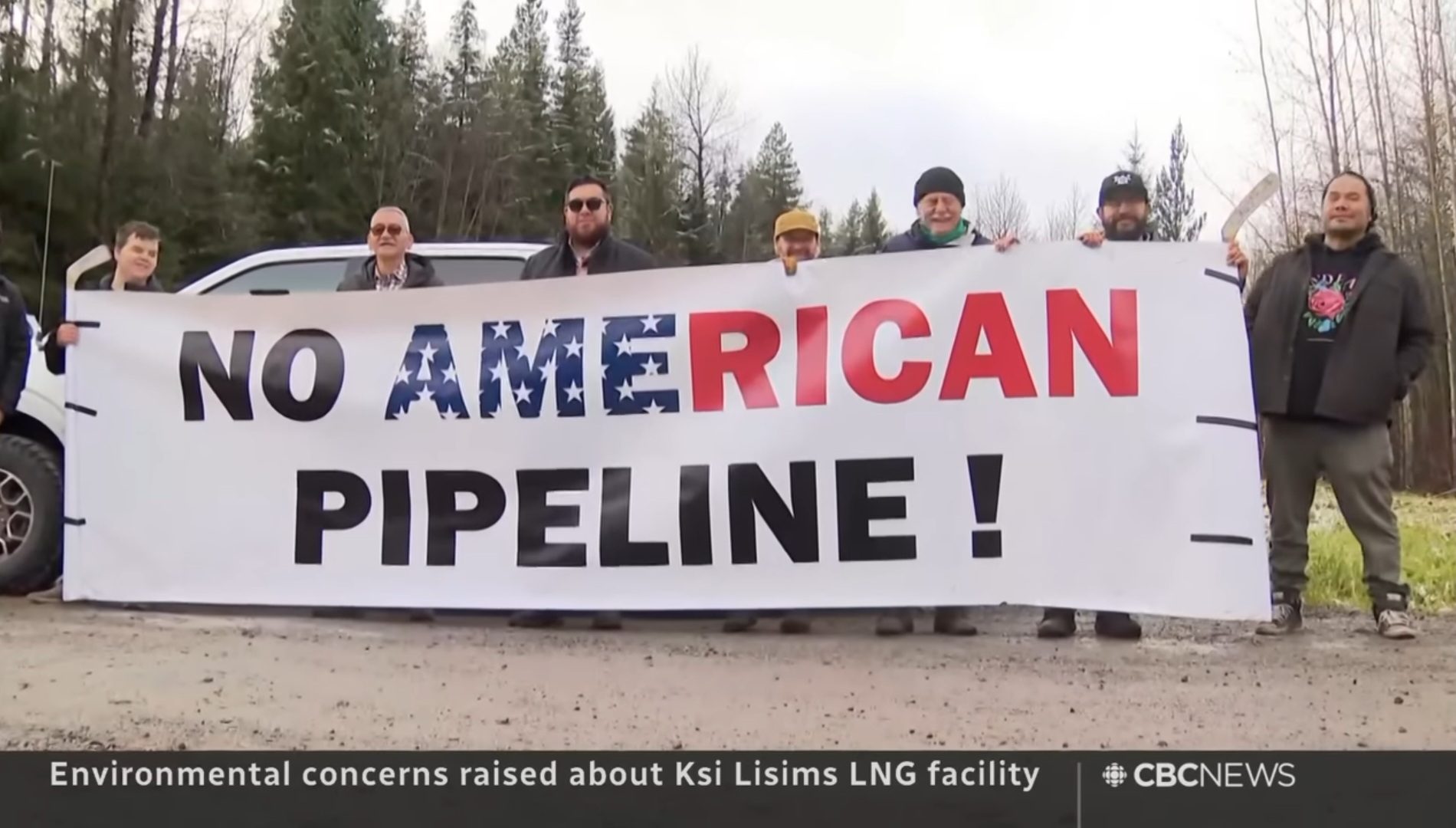
The Kispiox Valley Community opposes the Prince Rupert Gas Transmission (PRGT) pipeline scheme. This project would harm our waters, lands, air, our health, and the health of the multitude of species we share the valley with.
The Kispiox Valley Community Centre Association
Backgrounder
Prepared by the Kispiox Valley Community Centre Association, September 2025
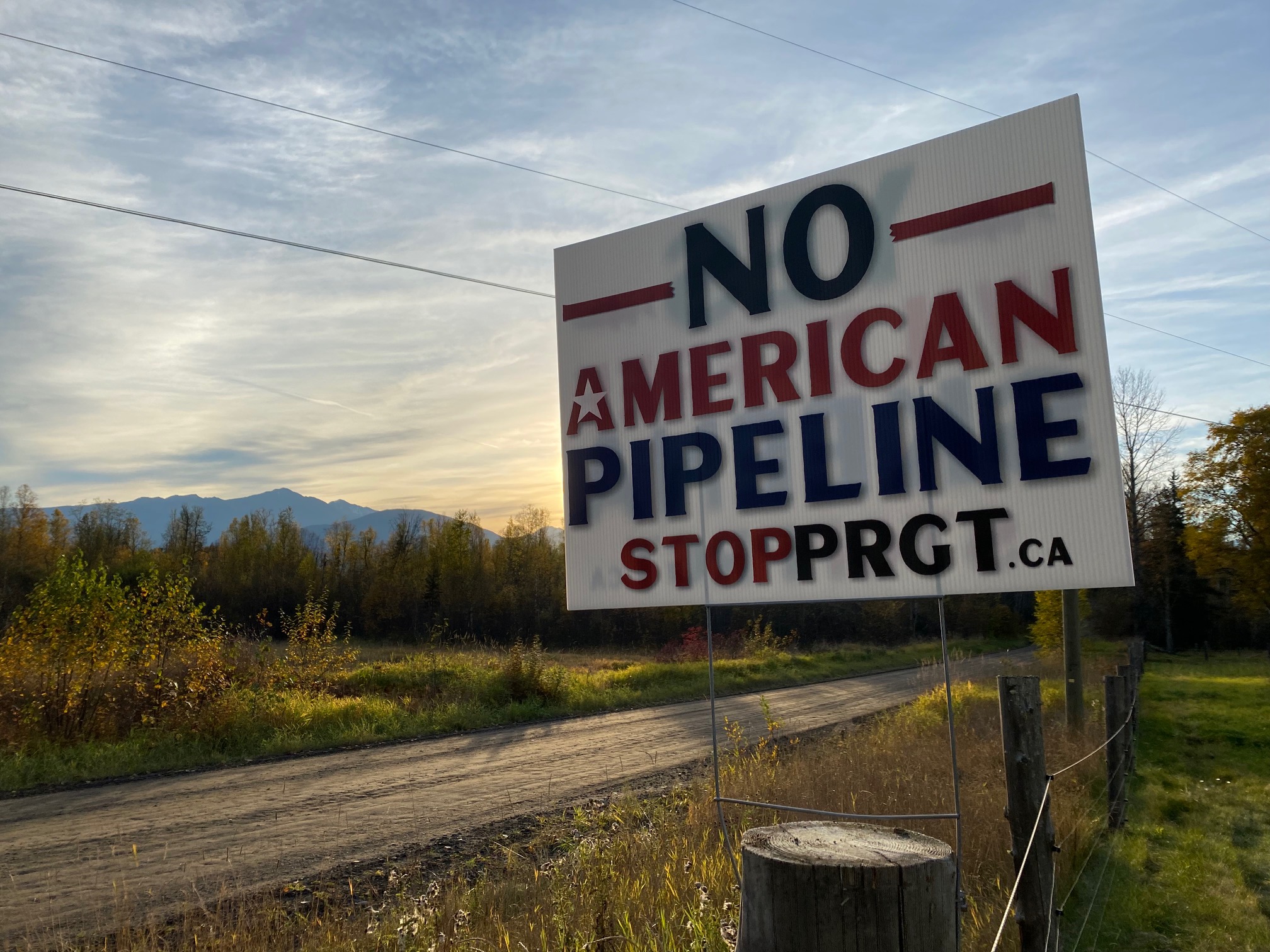
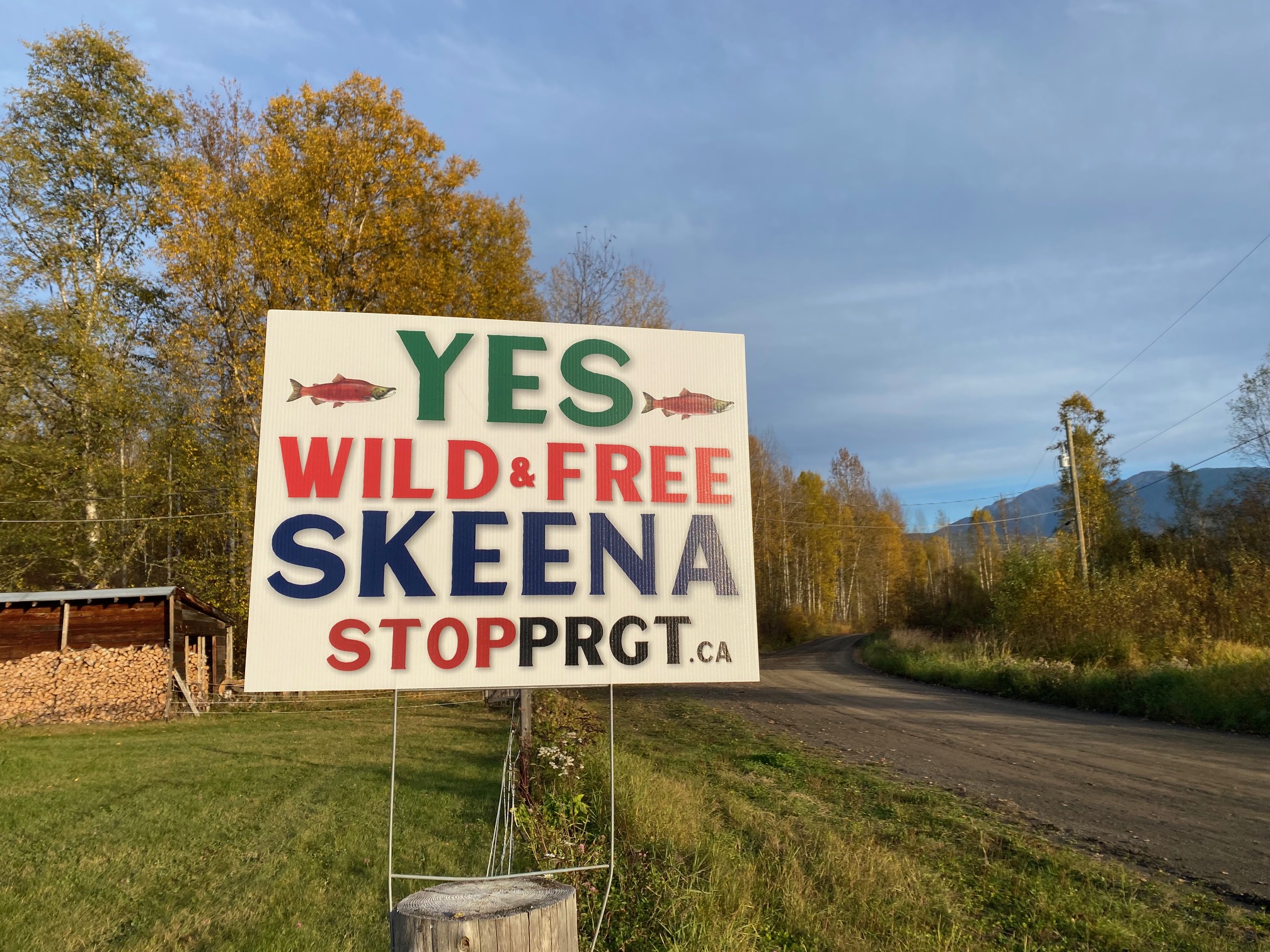
Lawn Signs! Pick up from Kispiox River Lodge and the SWCC office
Place with the No Pipeline side facing downstream towards town (or hwy 16 if you are in town) and the Yes side facing up valley. Signs are free, but donations in lieu to the KVCCA are appreciated. E-transfer donations to kispioxvalleycommunity@gmail.com
Get Informed
Gitanyow, Gitxsan, Wet’suwet’en & Kispiox Valley stand together. Terrace, November 13, 2025
Ksi Lisims LNG is being developed in partnership between the Nisga’a Nation, Rockies LNG Ltd. Partnership and Western LNG. But documents show the project’s assets will be constructed, owned and operated by wholly owned subsidiaries of Western LNG, based in Houston, Texas. While the Nisga’a Nation is a partner in the project, four of six other First Nations asked to provide consent did not grant it, and numerous environmental groups are also opposed.
Many of PRGT’s US investors are the very firms that took over the US Gulf Coast with LNG export projects, which rapidly raised utility bills and poisoned entire communities. Allowing PRGT to go ahead would be equivalent to opening our front door and welcoming US exploitation. We should be building Canadian-owned sustainable energy alternatives instead of lining the pockets of MAGA billionaires.
all seven of the (US) LNG export terminals that were fully operational at the end of 2024 violated the Clean Air Act over the last five years. EIP’s report also found that five of the seven LNG terminals exceeded their water pollution control permits over this period, dumping into waterways illegal amounts of suspended solids, bacteria, zinc, copper, oil and grease, among other pollutants, according to public records.
the full lifecycle of fossil fuels destroys irreplaceable natural ecosystems and undermines human rights, particularly of those living near fossil fuel infrastructure. Proximity to coal, oil and gas infrastructure has been proven to elevate risks of cancer, cardiovascular illness, adverse reproductive outcomes and other negative health outcomes.
Doctors, nurses and First Nations leaders are challenging the BC and federal governments to acknowledge the liquefied natural gas industry’s health impacts, which disproportionately harm rural and First Nations communities.
 Kispiox Valley